Scaling Up: When is the Right Time to Move from Spreadsheets to a Project Platform?
We all start there.
Whether you are a boutique engineering firm or a specialized contractor, the humble spreadsheet is usually your first project management tool. And for good reason: it’s flexible, it’s familiar, and it feels “free.” When you are managing few handful projects with a small team, a well-structured workbook can be a thing of beauty.
But in the world of projects getting Bigger and complex —where budgets are tight, timelines are strict, and stakeholders are demanding—flexibility often turns into fragility.
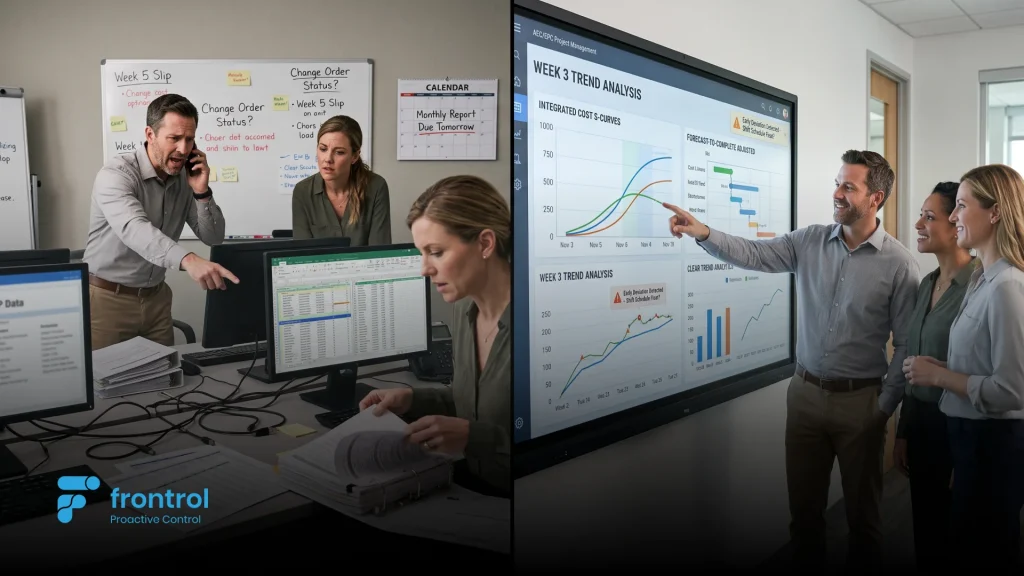
There comes a specific tipping point where your spreadsheet stops being a tool that helps you manage work and starts becoming the work itself. You spend more time fixing broken formulas than analyzing project risks.
So, how do you know when you’ve hit that ceiling? Here are four clear signs that your organization is ready to graduate from spreadsheets to a dedicated Project Intelligence platform like PACE.
- The “Final_v2_UPDATED.xlsx” Nightmare
We have all seen it. You open your inbox to find three different versions of the weekly schedule from three different site managers. One is named Schedule_Update_Final.xlsx, another is Schedule_Update_Final_v2.xlsx, and the third is Schedule_REAL_Final.xlsx.
Which one is the truth?
The Risk: When data lives in static files, version control becomes a full-time job. Decisions are made based on outdated information because the “real” number is sitting in someone else’s Download folder.
The Platform Advantage: PACE establishes a Single Source of Truth. Data isn’t emailed; it is entered into a central system. When a site engineer updates a quantity or a milestone, that change is instantly visible to the project manager in the office. No merging files, no guessing games.
- You Rely on “The Macro Wizard”
Every growing company has that one person. That person built a complex, macro-heavy spreadsheet that runs your entire monthly reporting cycle. It’s a marvel of engineering, but only he/she knows how it works.
The Risk: This is a single point of failure. If He/she goes on leave, gets sick, or leaves the company, your project intelligence walks out the door with him. Your business processes shouldn’t rely on fragile, custom code that no one else can support.
The Platform Advantage: A platform like PACE standardizes your workflows. Reports, dashboards, and Earned Value calculations are built-in features, not custom hacks. This democratizes your data, ensuring that the system works for the team, regardless of who is in the office that day.
- You Are Looking Backward, Not Forward
Spreadsheets are excellent historians. They are great at recording what happened last week or last month. But in complex projects, looking in the rearview mirror doesn’t help you avoid the pothole ahead.
The Risk: By the time you manually collate data from various spreadsheets, the information is often 3-5 days old. You are reacting to issues that have already impacted your critical path, rather than preventing them.
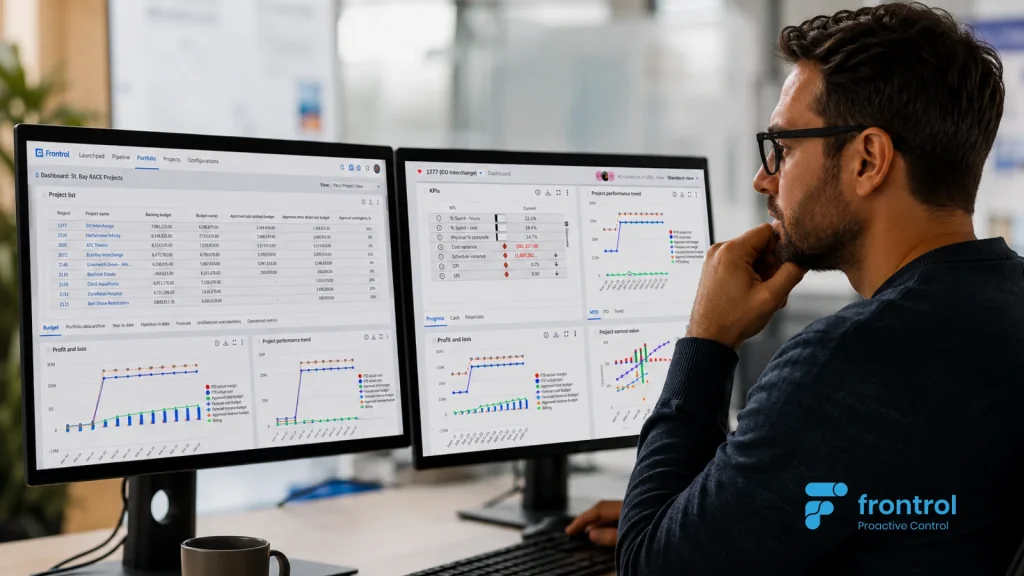
The Platform Advantage: PACE focuses on Project Intelligence, not just reporting. By using real-time data to calculate metrics like Schedule Performance Index (SPI) and Cost Performance Index (CPI), you can forecast where the project is going. You shift from reactive firefighting to proactive management.
- The “Color of Money” is Invisible
In a spreadsheet-based environment, data is often siloed. The schedule lives in one file, the budget in another, and actual costs are buried in the finance team’s ERP system.
The Risk: It becomes nearly impossible to track the “Color of Money”—the lifecycle of a dollar from budget to commitment to spend. You might know what you spent, but without linking it to the Work Breakdown Structure (WBS), you don’t know what you got for that money.
The Platform Advantage: An end-to-end platform integrates these worlds. PACE connects your schedule directly to your cost management, allowing for precise Earned Value Management (EVM). You can see exactly how financial spend correlates with physical progress on the ground.
Conclusion: It’s Not About Size, It’s About Complexity
Many organizations hesitate to move to a platform because they think they are “too small” for enterprise software. But the need for control isn’t defined by the size of your company; it’s defined by the complexity of your projects.
If you are managing multiple stakeholders, juggling capital risks, and trying to scale your operations, you need a foundation that scales with you.
Are you ready to stop managing cells and start managing projects?
Discover how PACE can bring clarity, control, and confidence to your project execution. [Contact us for a demo today].